Truth is simple, reality complicated. Your window to Nepal, South Asia and larger world. Come and read along and between the lines.
People, issues. Debates, perspectives. Details, nuances. A crisp view from the top.
Visit the new professional website of Jiwan Kshetry
Saturday, August 8, 2015
फेरि यस्तो कहिल्यै नहोस्
Tuesday, September 30, 2014
जीवन, खुशी र अहंकार
चेखवले यो लोक छाडेको पनि शताब्दी बितिसक्यो, तर मलाई अहिले पनि मानवता उनले वार्ड नं ६ मा बन्द गरेर गएको आन्देइ्र एफिमीचसँगै कैदी छजस्तो लाग्छ । कहिलेकाहीं उसको बौलट्ठीपूर्ण क्रन्दन जेलका पर्खाल तोडेर बाहिरसम्म आउँछ तर हामी सब चुपचाप छौं किनकि हामी सबै स्वतन्त्र छौं र त्यसै हुन चाहन्छौं । हाम्रो स्वतन्त्रताका लागि कैयौं आन्द्रेइहरुले पागलखानाको चौघेरामा बसिरहनुपर्छ । जगत्को रीत तोडेर हामी उनीहरुको साथी बन्न जान सक्दैनौं ।
खै किन हो, केही दिनदेखि निद्रा पातलिएको छ । एक रात रातभर ननिदाइकनै सपना देखिरहें । भन्नुको मतलब निन्द्रामा पुग्नुअघिको तन्द्रा अवस्थामै सपनाहरु सुरु भए र हरेक सपना सिद्धिनेबित्तिकै ब्यूँझिहालें । हरेक सपनाको बीचमा अर्ध निद्रामा सोचिरहें, आज किन निद्रा पातलो छ ।
............
मेरा दुइखाले पाठक साथीहरु छन् । जो पहिला पाठक र पछि साथी भए, उनीहरु सामान्यतः मेरो लेखाइप्रति गुनासो गर्दैनन्, गुनासो नभएर हो वा गुनासो गर्न चाहिने निकटताको अभावले हो, मलाई थाहा छैन । जो पहिला साथी भए र पछि पाठक बन्ने प्रयास गरे, उनीहरु इमान्दारीपूर्वक भन्छन्ः तिम्रो लेखाइ क्लिष्ट, लम्बेतान र बोझिलो छ, शुरुका र अन्तिमका केही अनुच्छेदबाहेक पढ्न नसकिने । म हाँस्छु तर कुनै वचन दिन्नँ कि उनीहरुका सुझाव व्यवहारमा लागू हुनेछन् वा छैनन् । यो मपाइँत्व शुरुमै किन गर्न परेको भने, यो आलेख शुरु गर्दा यो कति हजार शब्दमा तन्केर जान्छ, त्यसको मलाई अनुमान मात्र छ । त्यसैले छोटो र मिठोको स्वाद लिन चाहने साथी पाठकहरुका लागि बेलैमा बाहिरिने मौका दिने प्रयास हो यो ।
............
Sunday, July 27, 2014
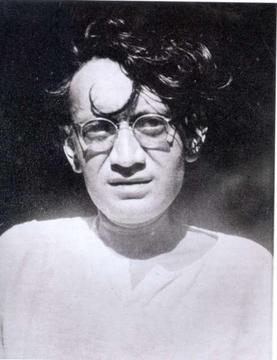
Sa'adat Hasan Manto: Why do people get drunk?
![]() |
| Manto (Image courtesy: Penguin India |
"Hindustan had become free. Pakistan had become independent soon after its inception but man was still slave in both these countries - slave of prejudice … slave of religious fanaticism … slave of barbarity and inhumanity." This is how the veteran short story-writer and essayist Sa'adat Hasan Manto had summarized the grim reality following the collective schizophrenia that engulfed Indian subcontinent during India's partition.
In this exceptionally well-articulated essay, Manto rebuffs the conventional ideas surrounding why people indulge in inebriants like tobacco and alcohol. He blends his astute observation skills with his own personal experience to build a remarkable and coherent theory as to why exactly people drink or smoke or ingest or inject the intoxicating substances.
"Human life is comprised of the following two activities or dynamic forces: (1) to make one’s actions accord with his conscience, or (2) to choose not to heed the voice of his conscience in order to carry on with the normal course of his life."
"When do boys start smoking? Mostly when they’ve lost the innocence of childhood."
"It is generally said (as I used to say myself) that smoking helps to do mental work well. This is certainly true, but only if quantity is the arbiter of “well.” The fact is, a smoker eventually loses his ability to probe and critique his thoughts. Generally it is assumed that a whole host of thoughts come into one’s mind while smoking. However, there is no guarantee that this, in fact, is the case. Actually, a smoker loses control over his thoughts and ends up drawing the wrong conclusions."
"People don’t drink to throw off their depressive state temporarily, or to have a good time because they think wine is an exhilarating substance, rather, they drink to drown out the voice of their conscience."
"And yet people get drunk. When life fails to align with our conscience, it is the conscience that is twisted every which way to align with our life."
"So now, the minute those serious issues requiring attention get on his nerves and trouble him, he quickly reaches out for intoxicants to dispel his anxiety. All this stops the conscience from resolving those issues and they persist till the next occurrence of a spiritual moment. When such moments finally arrive, the same process starts all over again and the man uses the same methods to dispel them. He spends his whole life this way, leaving those moral issues as thirsty for resolution as ever, although life’s meaning and its entire dynamism lies in settling them."
"A million or more tons of steel are used in building the tower, and, most comical, countless millions of people consider climbing the hideous monster their bounden duty. The presence of the tower evokes the desire in other people to build even taller towers of their own. Now think about it: would anyone in his right mind ever think of such asinine projects?"
"In my opinion, never before in human history have people allowed such a gaping distance to exist between their conscience and their actions. It looks as though humanity has come to a dead end and frozen in its tracks, as if some external reason is obstructing it from adopting the natural state it must adopt collectively as a nation. Even though this may not be the only reason, it does drive people to intoxication and may be the biggest reason they lapse progressively into a state of infirmity and lassitude."
Monday, July 14, 2014
गुडबाई काठमाण्डु!
जीवनमा दुख परेको बेला धेरै चोटि यस्तो लाग्छः यो चरम अवस्था हो, योभन्दा बढी दुख र मानसिक यातना मानव जीवनमा सम्भव छैन, त्यसैले अब हुने परिवर्तन भनेको सुखद हुनु मात्र सम्भव छ । कति चोटि त्यस्तो निष्कर्ष साँचो प्रमाणित हुन्छ भने धेरैचोटि चाहिं हुँदैन । अर्थात्, दुखमा हामी छिटै आत्तिन्छौं र आफ्नो चित्त बुझाउन अनेक तर्क गर्छौं । हामीले तर्क गर्दैमा त्यो सत्य हुँदैन ।
| 'The Scream' by Edvard Munch |
त्यस्तो तर्क महिनैपिच्छे फेल खाँदै गरेको अवस्थाको कुरा हो ।
अक्सर त्यस्तो अवस्थामा मानिसले जीवनका प्राथमिकता र उदात्त उद्देश्यलाई या त पूरै बिर्सिन्छ, या त तपसिलमा राख्छ अनि दुइटा कुरामा ध्यान केन्द्रित गर्छः पहिलो भौतिक शरीर बचाउने अनि दोस्रो मानसिक स्वास्थ्यलाई असामान्य हुन नदिने ।
त्यस्ता क्षणहरुमा व्यक्तिको दैनिक जीवन आफैंमा यातनापूर्ण हुन्छ अनि उन्नति र प्रगति तपशिलको कुनै दुर्गम कुनामा कैद भएर बस्छन् ।
अंग्रेजीमा भिसियस साइकल भनिने त्यस्तै चक्रव्यूहबाट गुज्रिरहेको बेला मलाई त्यसबाट निस्किनु सम्भव छ भन्ने विश्वासै थिएन किनकि त्यस्तो चक्रव्यूहभित्र दिग्भ्रमको एउटा बाक्लो न बाक्लो कुहिरो लागेको हुन्छ । त्यो कुहिरोभित्रको निसासिंदो वातावरणमा बाँचिरहन एउटा खास किसिमको मनस्थिति आवश्यक हुन्छ, पशुको जस्तोः न हिजोको पश्चात्ताप, न आजको हतारो, न भोलिको चिन्ता ।
Wednesday, February 19, 2014
धृष्टता र दुस्साहसः किशोर गोविन्द के सीको कथा
गोविन्द के सीको ऐनामा हाम्रो आफ्नै जीवनलाई अवलोकन गर्दा
कसैले कुनै दिन यस्तो भनेको थियोः आइ वज बर्न इन्टेलजेन्ट, एजुकेशन रुइन्ड मी अर्थात् म बुद्धिमान् जन्मेको थिएँ, शिक्षाले मलाई मूर्ख बनायो ।
आजको दिनको मौसमले शिशिरको बहिर्गमन र वसन्तको आगमनको संकेत गरेको छ, भलै हाम्रो पात्रोमा वसन्त आउन अझ एक महिना किन बाँकी नहोस् । आकाशमा बादल मात्रै छैन, त्यसलाई बतासको झोंक्काले चलायमान बनाइरहेको छ । बादलमा छिन छिनमा अनेक आकृतिहरु बन्दै बिलाउँदै गरेका छन् । केही गिद्धहरु धेरै उचाइमा भद्र पाराले बिस्तारै समुद्रमा तैरिएको हाँसझै तैरिइरहेका छन् भने कम उचाइमा कागहरु तीव्र गतिमा यताउता उड्दैछन् । सिमसिम पानी पर्दै बन्द हुँदै गरेको छ ।
विजय कुमारको खुशी पढेपछि
जीवनमा अफ्ठ्यारा घुम्तीहरुमा हिंडिरहँदा मैले कुनै क्षणमा पलायनलाई एउटा विकल्पको रुपमा कल्पना गरेको थिएँ, त्यसलाई यथार्थमा बदल्ने आँट गरिनँ, त्यो बेग्लै कुरा हो । त्यसबेला लाग्थ्योः मेरा समग्र दुखहरुको कारण मेरो वरपरको वातावरण हो, यसबाट साहसपूर्वक बाहिरिएँ भने नयाँ दुख आउलान् तर तत्क्षणका दुरुह दुखहरु गायब भएर जानेछन् । कति गलत थिएँ म !
एमालेकरणको बहस
Read more from Dashain Issue
The grapes Painting by Aqeel Abbas Memoir by Saguna Shah भुइँचालो A short story by Avaya Shrestha Lowest in life: A case study of three Afghan women Essay by Jiwan Kshetry भोक Memoir by Prakash Lamichhane News analysis by Ramzy Baroud The Myth of the U.N. Creation of Israel Extract from article by Jeremy R Hammond News Analysis by Maung Zarni |
Debating partition of India: culpability and consequences

Read the whole story here
Why I write...
I do not know why I often tend to view people rather grimly: they usually are not as benevolent, well-intentioned and capable or strong as they appear to be. This assumption is founded on my own self-assessment, though I don’t have a clue as to whether it is justifiable to generalize an observation made in one individual. This being the fact, my views of writers as ‘capable’ people are not that encouraging: I tend to see them as people who intend to create really great and world-changing writings but most of the times end up producing parochial pieces. Also, given the fact that the society where we grow and learn is full of dishonesty, treachery, deceit and above else, mundanity, it is rather unrealistic to expect an entirely reinvigorating work of writing from every other person who scribbles words in paper.
On life's challenges
Somebody has said: “I was born intelligent but education ruined me”. I was born a mere child, as everyone is, and grew up as an ordinary teenager eventually landing up in youth and then adulthood. The extent to which formal education helped me to learn about the world may be debatable but it definitely did not ruin me. There were, however, things that nearly ruined me. There came moments when I contemplated some difficult choices. And there came and passed periods when I underwent through an apparently everlasting spell of agony. There came bends in life from which it was very tempting to move straight ahead instead of following the zigzag course.